Your 5-Step System to Consistent Leads (And Why You Keep Stopping)
The Problem: When Success Sabotages Your System

As we head into 2026, the goal is simple: consistent leads from LinkedIn.
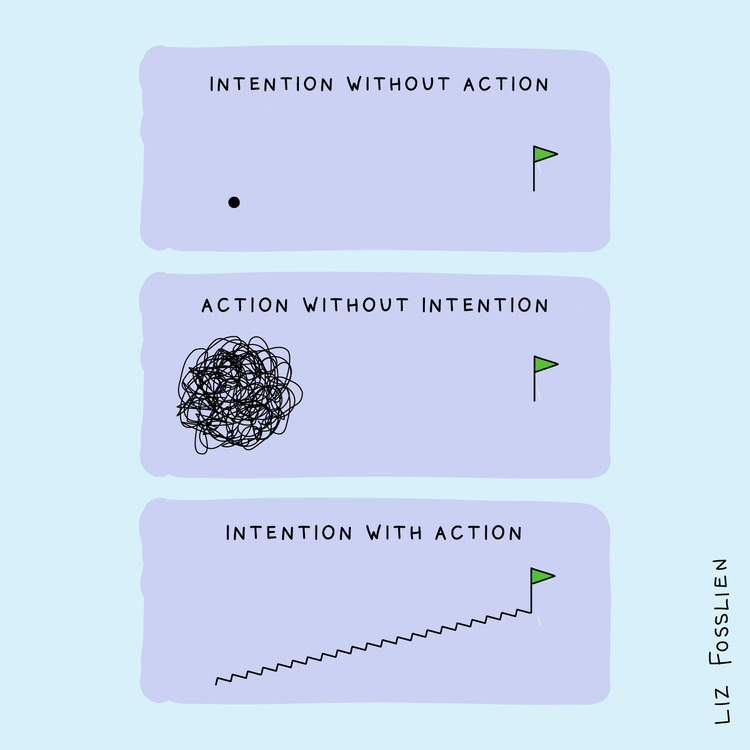
I’m guessing you’re like me, and everyone else in my network: you start with incredible intention, you see success, and then... you stop. You get busy.
Have you ever noticed this weird phenomenon? Someone is posting weekly, sending out their emails, and then, because the floodgates open with new work, they completely forget the actions that led to the success in the first place.
Guilty as charged! It’s the entrepreneur’s curse: we work so hard to fill the pipeline, we forget to keep the system running.
(A quick nod to Liz Fosslien for highlighting the psychology behind why we drop good habits when things get hectic.)
This year, let’s fix that. Here are five simple steps to bake lead generation into a non-negotiable habit. The key is to start, and when the sales come pouring in, you must either set your marketing on autopilot with scheduling tools or delegate it.
1. Get the Foundations in Order: Profile Optimisation Day
Your LinkedIn profile is not a resume; it’s a landing page for your ideal client. If it’s not optimised, every piece of content you share is wasted.
Take a half-day. Lock yourself in and just get this done:
Profile Photo: Clean, clear, and professional.
Background Image: Visually reflects your service or your brand’s ethos.
Headline Rewrite: Go beyond your job title. Use this formula: “I help [WHO] achieve [WHAT RESULT] using [YOUR METHOD].”
About Summary: Ditch the third-person bio. Write directly to your ideal client about their problems and how you solve them.
Review Experience & Skills: Does this match where you are right now? Get rid of the irrelevant history.
2. Post Content to Demonstrate Your Expertise (The Service Mindset)
We are all experts in something. Your job is to be strategic and demonstrate that expertise in a way that attracts your ideal client.
Here’s the rule: Come from a place of service. Don’t patronise.
The best way to do this is through storytelling. When you share advice, drop in a real, anonymised example of how you worked with a client to solve that exact problem. People connect with stories, not statements.
🛑 A Quick Note on AI: You can (and should) use AI tools to help you identify key topics your audience is interested in, but please do not use it to write your content. Your unique voice, experience, and nuance are what set you apart. Don’t outsource your authenticity.
3. Curate a Network of Value, Not Noise
One of the biggest complaints I hear is that LinkedIn has become “boring” or “too much like Facebook.”
The good news? This is 100% within your control.
Filter Your Feed: Stop following people whose content you dislike (yes, the Friday drinks photos). Start engaging with the posts you do enjoy, and the algorithm will quickly learn to show you more valuable content.
Unfollow Ruthlessly: I rarely disconnect from people, but I frequently Unfollow those whose content is no longer relevant. This keeps the connection intact but cleans up your feed immediately.
Slow & Steady Connections: Don’t rush to connect with hundreds of people at once. Commit to connecting with a handful of high-value people every time you log in. Over time, you build a targeted, quality network of people who are genuinely interested in what you have to say.
4. Start Using LinkedIn Messaging (The Fortune is in the Follow-Up)
After you connect, add a note or send a follow-up message once they accept. This is not your opportunity to pitch.
Think of it this way: You just met them at a business networking event.
Be a Normal Human: Ask them about their business, or mention something specific you liked about a post they shared. A simple, personal touch goes a long way.
Ask Permission: Messaging is fantastic for promoting an event, webinar, or your Substack newsletter. But always ask permission first.
Instead of: (Sending a link)
Try: “I’m hosting a quick workshop on generating leads next week—would you like me to send you an invitation to join?”
5. Maximise the Tools You Already Have
LinkedIn isn’t just a posting platform; it’s a complete event and publishing engine.
We love leveraging:
LinkedIn Events & Livestreams: Tools like StreamYard make this simple. When you set up a Live, LinkedIn automatically generates an Event, allowing you to easily invite your network.
LinkedIn Newsletters: This is a fantastic feature. It shows up in a person’s inbox, outside of LinkedIn. In this age of TikTok and viral clips, people do still appreciate and consume helpful long-form content.
The Repurpose Mindset (Reduce, Reuse, Recycle)
This entire post—which was originally a LinkedIn article—is a perfect example of what I teach. Create one strong Pillar Content piece and use it everywhere.
This article (my pillar content) can become:
A video for social channels.
Five shorter posts (one for each step) to use throughout the month.
A short video clip summary.
Don’t let your best ideas live in one place. Reduce your effort by reusing and recycling your expertise!
📌 Your Next Step
This is the system I use every week to generate consistent leads.
What is the one foundational step you need to commit to this week? Is it fixing your profile? Or committing to your first story-based post?
Tell me in the comments below! I’ll personally respond and help you troubleshoot.
P.S. If you found these five steps helpful, please consider sharing this post with a friend or colleague who needs a lead generation kickstart this year.
(If you haven’t yet, subscribe to get my next deep-dive on the most common LinkedIn profile mistakes delivered straight to your inbox.)